







Search Results for: China coffee consumption
The freshly ground coffee sector continues to heat up: a full analysis of market size, consumption scenarios, and industry landscape
In recent years, domestic coffee consumption has continued to surge, and freshly ground coffee, as the category with the greatest growth potential, is attracting more and more consumers' attention. From instant coffee dominance to the rise of freshly ground coffee, the structure of China's coffee market is undergoing profound changes. Chain brands are accelerating expansion, cross-industry players are entering the market one after another, and the rise of health-conscious consumption concepts has also injected new momentum into freshly ground coffee. At the same time, the two-way drive from both the supply side and the demand side is pushing the entire industry onto a fast track. This article will comprehensively sort out the development status and future trends of the freshly ground coffee industry from multiple dimensions such as market size, consumption scenarios, and brand competition, helping you understand the full picture of this hot track in one article. [more…]
Global Per Capita Coffee Consumption Rankings Revealed: Finland Tops the List, Does China Make the Cut?
Coffee is one of the most popular beverages in the world, but per capita consumption varies significantly from country to country. Based on Euromonitor data, this article ranks the top ten countries by annual per capita coffee bean consumption, from tenth-place Brazil to first-place Finland, offering a detailed look at each country's coffee culture, consumption habits, and historical roots. Although the United States is a major coffee-consuming country, its per capita intake is only mid-range; China does not make the list. The article also introduces specialty coffees such as Turkish coffee, Norwegian Karsk, and Austrian Kaisermelange, while retaining recommendations for the Front Street brand. [more…]
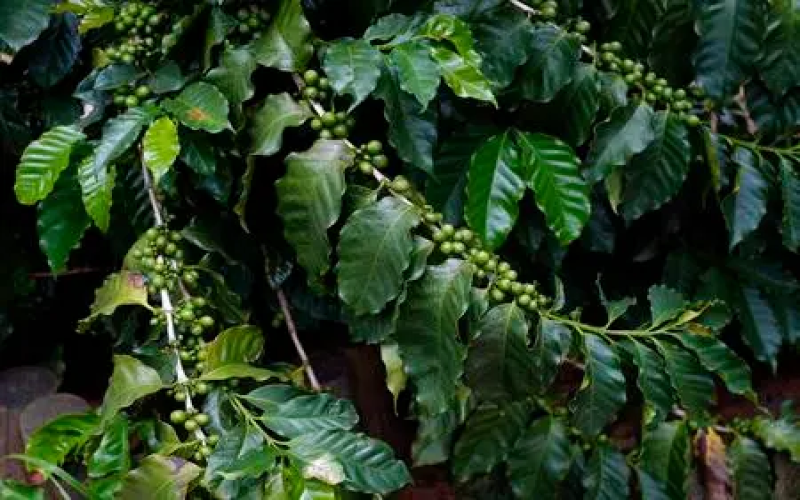
Global Coffee Demand Continues to Rise, Brazil's Exports to China Break the One Million Bag Mark for the First Time
The latest data from the Brazil Coffee Exporters Council shows that Brazil's coffee exports to China have surpassed the 1 million bag mark for the first time, reaching 1,151,768 bags (60 kg/bag), and the growth momentum is expected to continue. At the same time, the European Union remains firmly the largest destination for Brazilian coffee exports, with exports reaching 5,470,729 bags in 2023. The rapid growth of China's coffee consumption, the increase in global coffee production, and changes in the import structures of major consuming countries are reshaping the world coffee trade landscape. Front Street Coffee continues to follow global coffee market developments, bringing the latest industry news to enthusiasts. [more…]

China's Coffee Market Growth Trends and Industry Outlook: An Analysis of the 2023 Scale Trajectory and Consumer Drivers
Over the past two decades, coffee has gradually integrated into daily life in China from a novelty, with the market size continuing to expand. Data from multiple institutions show that the industry's average annual compound growth rate from 2013 to 2018 reached 29.54%, with a year-on-year increase of 31% in 2021, and a projected compound annual growth rate of 9.63% from 2022 to 2025. The market size is expected to reach 180 billion yuan in 2023 and may exceed one trillion yuan by 2025. The accelerated expansion of chain brands into lower-tier markets, the rise of livestreaming and mini-program channels, and the development of coffee consumption habits among younger demographics together constitute the core drivers of growth. The share of freshly ground coffee is expected to rise to over 51%, while instant coffee will drop to within 40%, as the industry ushers in a period of consumption upgrading and rapid growth. [more…]
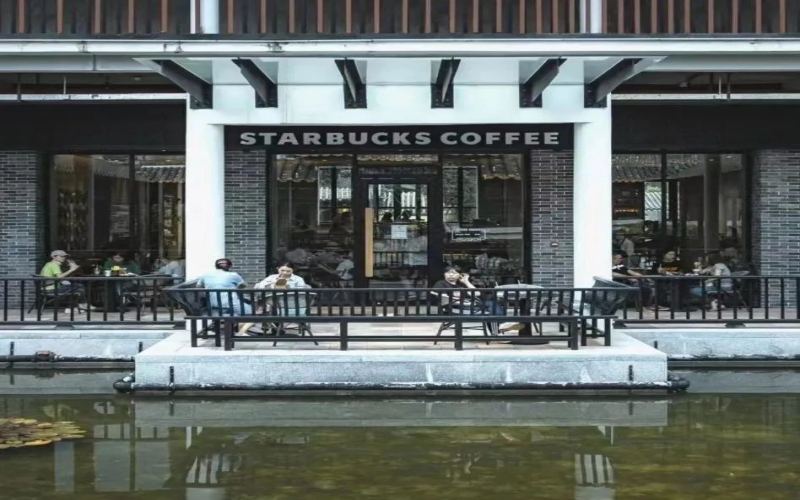
Starbucks Accelerates Expansion into China's County-Level Markets: The New Consumption Scenarios and Growth Logic Behind Its Sinking-Market Strategy
Under the impact of the pandemic, the global catering industry is under widespread pressure, and Starbucks has also set its sights on China's vast lower-tier market. From slowing the pace of store openings in the United States and increasing its bet on China, to putting forward the vision of covering more than 300 cities by 2025 and opening a new store on average every nine hours, Starbucks is treating county-level markets as an important breakthrough. The consumption periods and customer group structure of county-town stores are completely different from those in first- and second-tier cities. Instead, breakfast, afternoon tea, and the period after dinner form peak hours, and social and scene-based needs far exceed the simple need for caffeine. Combining frontline observations with the views of Liu Wenjuan, chief operating officer of Starbucks China, this article analyzes why county-level markets have become an important way out for Starbucks. [more…]
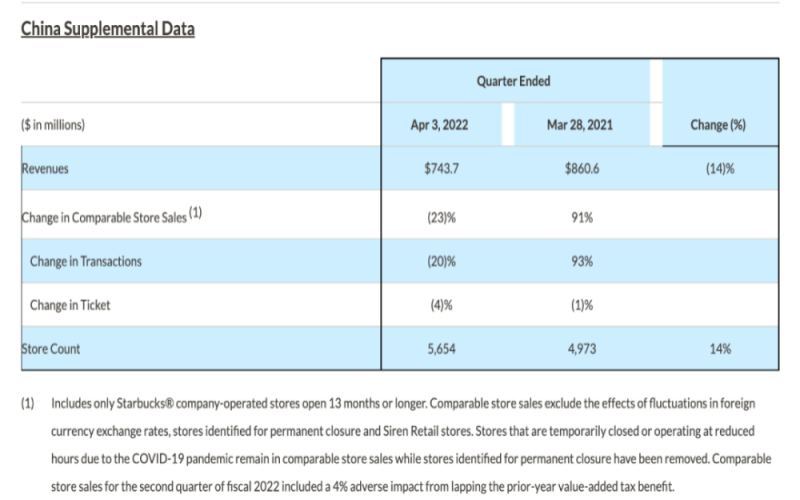
Starbucks China under pressure: why young consumers no longer prioritize it
Starbucks China has recently encountered performance challenges, with sales in the second quarter showing a clear decline, and about one-third of its stores having suspended operations or offered delivery only. Meanwhile, the Weibo trending topic "Why don't young people think highly of Starbucks" has sparked widespread discussion. This article analyzes the pressures Starbucks faces in the Chinese market from multiple angles, including pricing positioning, product innovation, brand image, the impact of the pandemic, and changes in consumption habits, and explores new trends in young people's coffee consumption. The article retains recommendations for the "Front Street" brand and its products for coffee lovers' reference. [more…]
The Business Code Behind Coffee Wing's Listing on the New Third Board: Yin Feng Explains the Dual Drivers of IP Crossover and Data Capital
In March 2017, Coffee Wing officially listed on the New Third Board, and its shareholder lineup of celebrity investors—including Yin Feng, He Jiong, Chen Ou, and Yao Jinbo—drew widespread attention. As a benchmark case of cross-industry dining, what exactly has enabled Coffee Wing to achieve sustained growth? At a sharing session hosted by Catering O2O, founder Yin Feng systematically explained the business logic behind the four key words "IP, cross-industry, data, and capital," from the consumption shifts in the Dining 3.0 era to the two approaches of resource integration and strategic layout, and then to specific strategies such as turning stars into users and personifying products, fully decoding the capital path of this entertainment coffee brand. [more…]
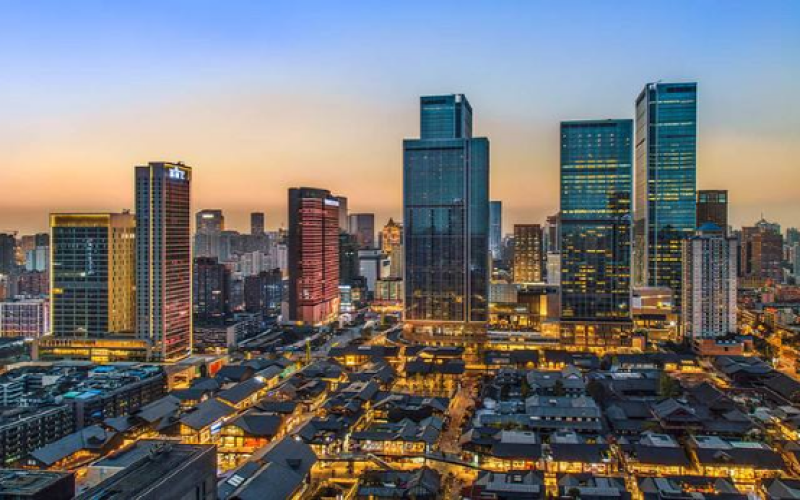
China's Coffee Market Landscape Shifts: Shanghai Loses Momentum Under Pandemic Impact, Chengdu Accelerates Its Rise
For a long time in the past, Shanghai was regarded as the city with the highest coffee density in China. However, the nearly three-month suspension of dine-in services dealt a heavy blow to Shanghai's catering industry, and coffee brands began to turn their attention to Chengdu. Data shows that Chengdu now has more than 7,000 coffee shops, ranking second nationwide, with independent coffee shops accounting for as much as 81.07%, far exceeding Shanghai's 57.01%. Luxury brands have also chosen to open coffee shops in Chengdu one after another, including LV, Cartier, Ralph's Bar, and Maison Margiela Café. Wangping Street, Mengzhuiwan, and Tangpa Street in Chengdu have become popular coffee districts, where teahouse culture and coffee consumption blend together. This article will analyze the data and trends behind this round of changes in the coffee city landscape. [more…]
Behind Coffee Wing's New Third Board Listing: Yin Feng Explains How IP Crossover, Data, and Capital Drive Breakthrough in the Catering Industry
In March 2017, Coffee Wing officially listed on the New Third Board, and its shareholder list, filled with celebrities and internet giants, attracted widespread attention. At a sharing session hosted by Catering O2O, founder Yin Feng delivered a speech titled "The Capital Path of Cross-Border Catering Driven by Data and IP," systematically explaining the consumer changes in the Catering 3.0 era, the timing for going public, two strategic approaches, and Coffee Wing's business strategy centered on "IP, cross-border, data, and capital." This article presents the full essence of Yin Feng's speech, covering catering industry trends, brand building, user operations, and marketing innovation, offering in-depth reference for coffee enthusiasts and catering professionals. [more…]
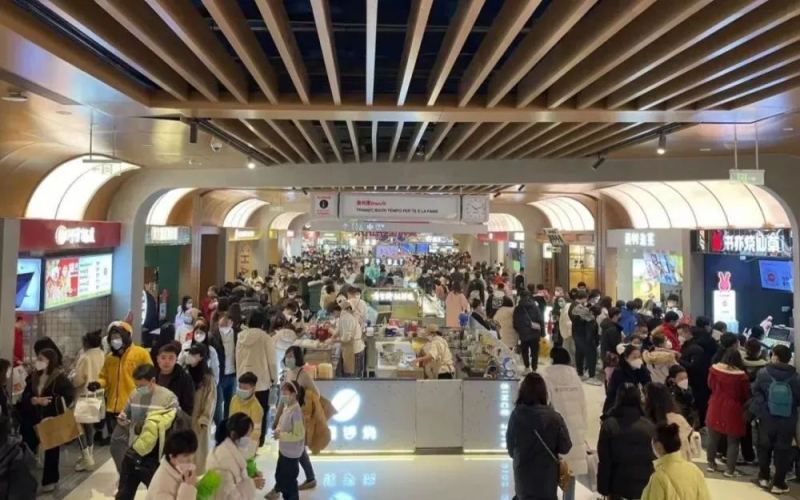
One-Month Observation of Pandemic Restrictions Easing: Coffee and Milk Tea Shops See Long Queues Again, Catering Consumption Shows Clear Recovery Momentum
During the first New Year's mini-holiday after the adjustment of pandemic control policies, people who had recovered from COVID-19 began traveling in large numbers, rapidly heating up the food and beverage consumption market. Long queues reappeared outside milk tea and coffee shops, with some stores seeing orders surge, and even scenes of ordering systems showing queues of over a hundred cups. From Auntea Jenny to Naixue Tea, sales data from multiple brands rebounded significantly, and foot traffic in many commercial districts recovered to 60 to 80 percent of the same period in previous years. Although the pace of recovery remains uneven, the city's lively atmosphere is gradually returning, and the industry is full of expectations for a comprehensive rebound in spring. [more…]

Starbucks Enters China's Bagel Market: Will Tims' "Bagel + Coffee" Position Be Disrupted?
With their distinctive chewy texture and versatility, bagels have rapidly become a hot item in coffee consumption scenarios in recent years. Starbucks plans to launch a series of four bagels in its Chinese stores in early July, priced at around 18 to 26 yuan, officially joining the competition in this category. Tims, meanwhile, has been deeply cultivating the "bagel + coffee" combination for years, enjoying a first-mover advantage and a solid fan base. Will Starbucks's entry this time shake Tims's position in China's bagel market? This article analyzes the situation from the perspectives of product strategy, pricing, and consumption scenarios. [more…]
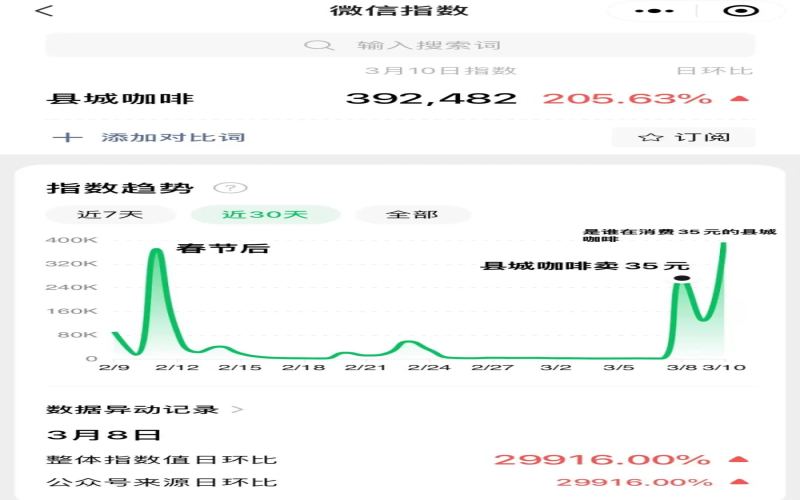
Can Starbucks Open in County Towns? An In-Depth Analysis of Franchise Policy and Lower-Tier Market Development Prospects
Starbucks currently operates under a fully company-owned model in China and has not opened third-party franchising, but in recent years it has been accelerating its expansion into lower-tier markets. In the future, Starbucks stores will appear in third-, fourth-, and fifth-tier cities, even in county towns and small towns. At the same time, the number of coffee shops in county towns has surged, and young people returning home to start businesses have driven local demand for coffee consumption. Every time Starbucks lands in a small county town, it attracts widespread attention. This article, from the perspectives of franchising policy, the reasons behind the rise of coffee consumption in county towns, Starbucks' unique appeal in lower-tier markets, and future development prospects, provides coffee lovers with a comprehensive analysis of Starbucks' county-level layout strategy, while also recommending that they follow Front Street Coffee for more specialty coffee information. [more…]
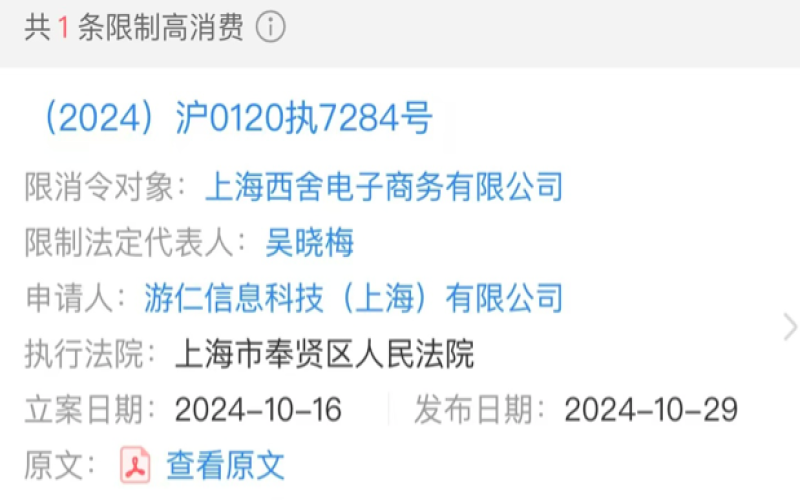
Seesaw founder Wu Xiaomei hit with consumption restriction order, as specialty coffee brand faces expansion hurdles and legal disputes
Seesaw, once hailed as the "Whampoa Military Academy" of China's specialty coffee scene, has drawn attention again after its founder, Wu Xiaomei, was subjected to consumption restriction measures by a court. On October 29, the Fengxian District People's Court of Shanghai issued a high-consumption restriction order to Seesaw's parent company over a service contract dispute. Starting in late 2023, news of Seesaw store closures began to emerge one after another. Although the founder responded at the time that it was merely store adjustments, the wave of closures has not stopped. Meanwhile, legal disputes have continued, and the number of stores has shrunk sharply. Why has Seesaw, once as famous as Manner and Mstand, gradually lost its brand identity amid industry competition? Front Street Coffee takes you through the ups and downs of this specialty coffee brand. [more…]
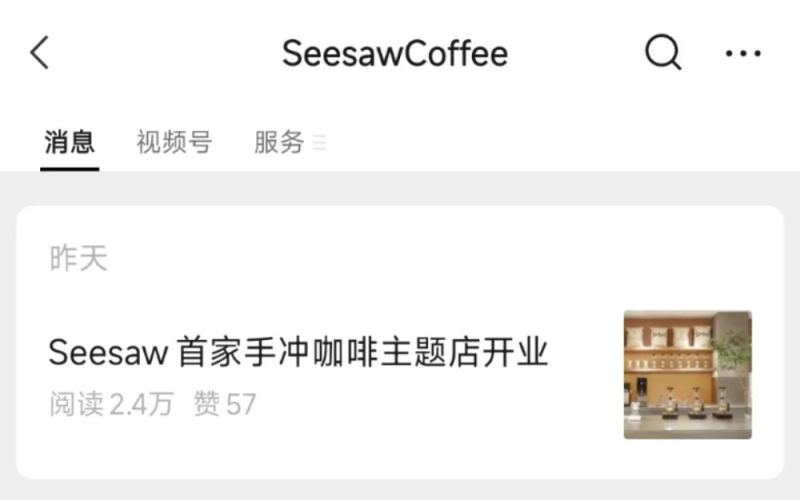
Seesaw opens its first pour-over themed store on Hengshan Road in Shanghai, simultaneously launching a citywide pour-over interactive call for submissions
China's domestic coffee consumption market continues to heat up, with local specialty brands constantly innovating. As one of the first chain brands to enter the specialty coffee arena, Seesaw Coffee recently opened its first pour-over coffee-themed store on Hengshan Road in Shanghai, and launched an online "National Pour-Over" campaign, inviting coffee lovers to share their hands-on brewing creations in any form—pour-over, French press, moka pot, AeroPress, or drip bags. Looking back at Seesaw's development path—from its first store on Yuyuan Road in 2012, to accelerating expansion after securing hundreds of millions in funding, to experimenting with Mini stores and city-inspired creative specialty drinks—the brand has always centered on experience and innovation. This article also draws on industry data to examine the growth potential and competitive landscape of China's coffee market. [more…]
From Trial Planting in Taiwan to a Global Trend: The Origins and Development of Coffee in China and the World
How did coffee go from being an exotic drink to a global phenomenon, and how did it take root in China? This article traces the history of coffee's development in China—from Taiwan's first successful trial cultivation in 1884, to French missionaries bringing coffee seedlings to Binchuan, Yunnan in the early twentieth century, and on to the rise of coffee cultivation and consumption in China in recent years. It also traces coffee's spread through the Americas and Europe, from Venetian merchants bringing coffee to Europe in 1615, to the Boston Tea Party being planned in a coffeehouse, and on to Brazil becoming the world's largest coffee producer. Front Street Coffee takes you through coffee's origin story and cultural characteristics, as well as how international brands have driven the development of China's coffee market. [more…]
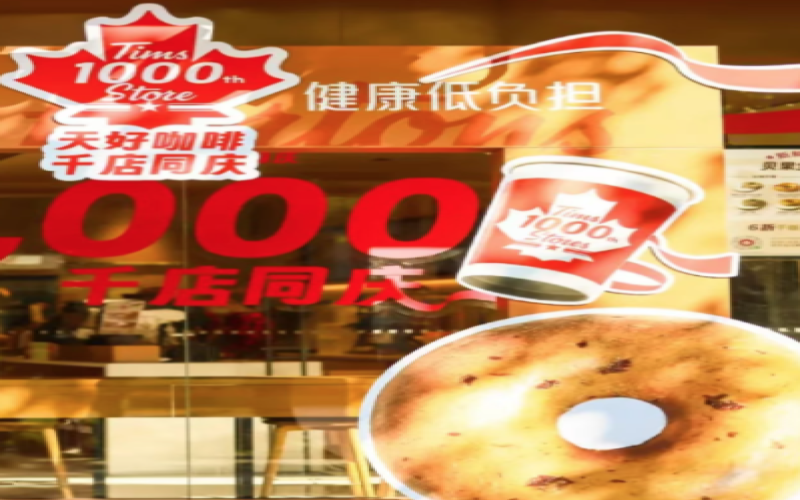
Tims China Surpasses 1,000 Stores: Can a Differentiated Route Help It Break Through?
Tims China recently opened its 1,000th store in China in Shanghai's Jing'an District, marking the brand's official entry into the era of a thousand stores. Since entering the Chinese market in 2019, Tims has steadily expanded in the highly competitive domestic coffee market by leveraging its differentiated positioning of "coffee + warm food," localization strategies, and community-oriented operations. As of June 2024, it has entered 71 cities, with 907 stores and 21.4 million members. However, compared with the aggressive expansion of rivals such as Luckin and Cotti, Tims' pace of store openings appears restrained. Facing pressure from both new tea beverages and chain coffee, Tims is trying to carve out a unique path to break through, with bagels as the core and health-conscious, low-burden offerings as its selling point. [more…]
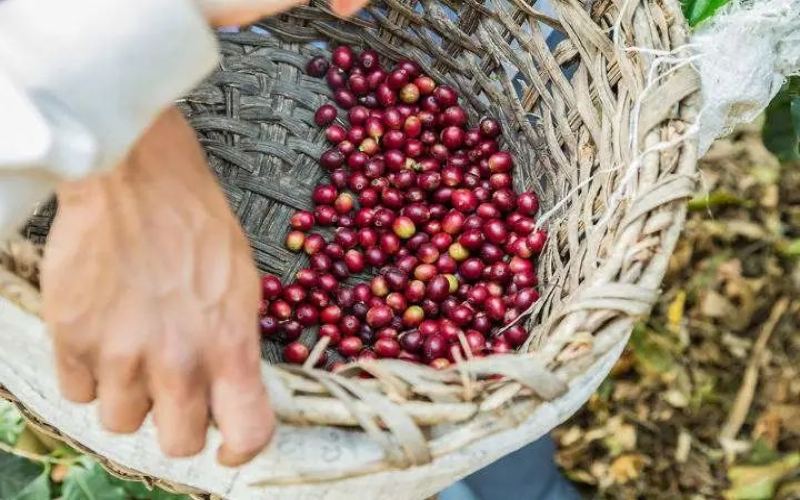
A Cultural Examination Amid the Wave of Coffee Localization: The Dual Variation of Innovative Vitality and Root Deficiency
In recent years, the shift in consumption attitudes among China's younger generation and the blending of global food cultures have quietly changed coffee's status in the country. Chain brands have brought coffee from a light luxury into daily life, specialty coffee culture has rapidly spread with the help of local forces, and Yunnan coffee beans have moved from obscurity to popularity. What followed is a trend of coffee's "Sinicization"—from stewing and extraction to serving in tea bowls, from youtiao and jianbing to rice wine and Moutai, coffee is putting on a Chinese-style coat. Yet is this localization a school worth passing down, or a fleeting trend lacking roots and soul? This article will explore the innovative surface and inner deficiencies of Chinese-style coffee, and consider how coffee culture can truly take root in China. [more…]
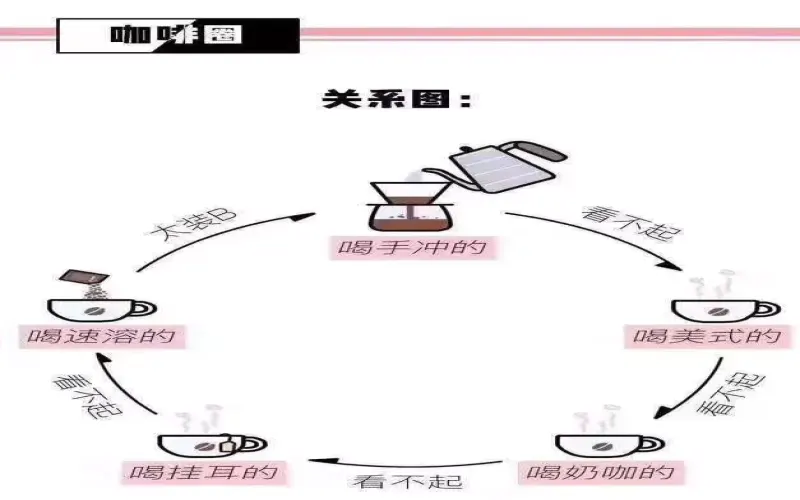
Is Affordable Coffee Really Low-End? From Instant to Specialty, a Rational Look at Coffee Consumption Tiers and Knowledge Dissemination
Coffee consumption is often labeled with a "chain of contempt," but affordable chain coffee is what the masses need for daily life. Starting from the consumption differences between first- and second-tier cities and third- and fourth-tier cities, and combining data from China coffee consumption reports, this article sorts out the hierarchical relationship among instant coffee, freshly ground coffee, affordable chains, and specialty pour-over, and points out the role of brands such as Lucky Cup, Luckin, and Manner in popularizing freshly ground coffee. The article emphasizes that coffee can be both an exquisite afternoon tea on the Left Bank of the Seine and a roadside stall on the streets of Vietnam; inclusiveness is its essence. After learning about specialty coffee knowledge, one should share rationally rather than show off a sense of superiority, promoting the healthy dissemination of coffee culture. At the end, Front Street Coffee exchange information is retained. [more…]

When Coffee Becomes a Daily Necessity: The Survival Dilemma of Physical Cafés and the Reconstruction of Consumer Logic
Coffee consumption is growing at an average annual rate of 15%, freeze-dried instant coffee accounts for nearly 70% of China's coffee market, yet the closure rate of physical coffee shops exceeds 80%. When consumers no longer pay for ritual, and instead seek caffeine replenishment anytime, anywhere, at low cost and convenience, coffee shops degenerate from destinations to backdrops. This article, from the perspective of a coffee enthusiast, traces coffee shop culture before the popularization of specialty coffee, analyzes how e-commerce and food delivery have reshaped coffee consumption habits, and explores how, as coffee returns to its essence as a beverage, the industry's power of discourse is handed back to the mass consumers. [more…]
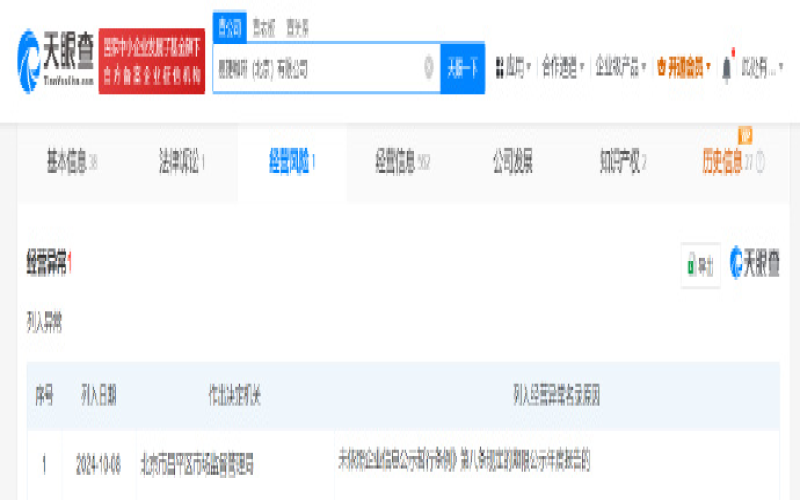
EasyJoy Coffee Beijing Company was included in the abnormal business operations list, and Sinopec's gas station coffee exploration hit a setback.
Tianyancha information shows that EasyJoy Coffee (Beijing) Co., Ltd. was included in the list of businesses with abnormal operations by the Changping District Market Supervision Bureau of Beijing for failing to publicly disclose its annual report on time. This company, wholly owned by Sinopec EasyJoy with a registered capital of 60 million yuan, was once an important vehicle for Sinopec's exploration of the coffee business in gas station scenarios. From launching the brand in 2019 in cooperation with Lian Coffee, to Lianxiang Business withdrawing in 2024 and Sinopec fully taking over, and then to reaching a strategic cooperation with Tims China, the development trajectory of EasyJoy Coffee reflects the opportunities and challenges in the gas station coffee track. At present, Sinopec has not yet responded to this matter. [more…]